Matic Robot Vacuum Review 2026: A Whole Different Kind of Robot Vacuum
By ReviewPromo · Updated July 1, 2026 · Based on lab data from Vacuum Wars, Wirecutter, Wired, and The Verge
Matic at a Glance
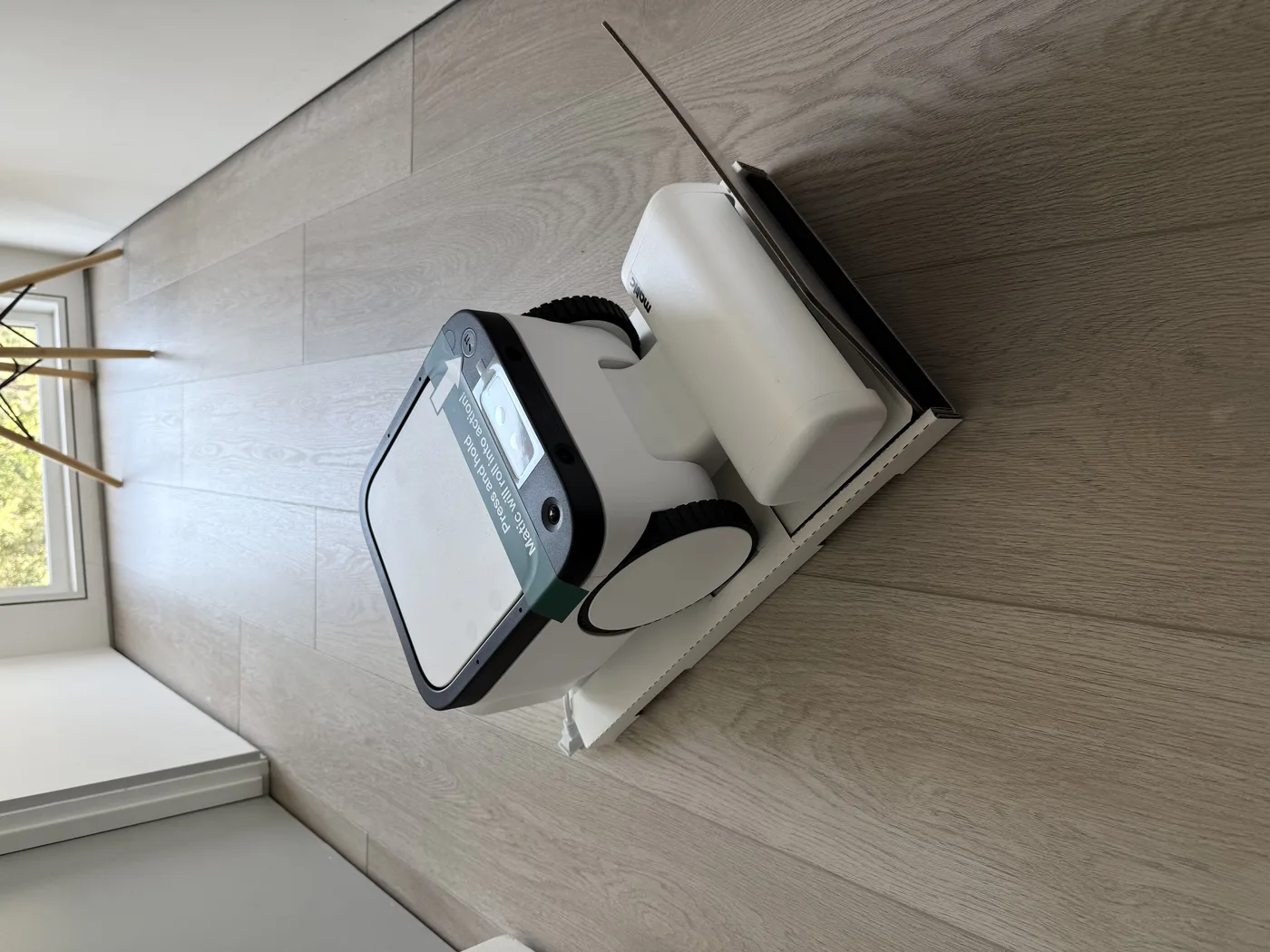
What Makes Matic Different
Robot vacuums are mostly the same: small roving discs that map your home with LiDAR, follow a pre-set cleaning path, and require you to tidy up ahead of them. Matic's founders — former Google Nest engineers Navneet Dalal (CEO) and Mehul Nariyawala (President) — spent 7 years building something fundamentally different. The shape alone tells you: it's tall and square where others are short and round. That height isn't aesthetic. It lets five camera sensors gather a 1-foot-high photo composite of your home's floor — far more context than ground-level sensors can capture.
1. Vision AI that sees like a human — not a floor plan
Most robot vacuums build a 2D map and follow it. Matic uses five RGB-infrared cameras and an NVIDIA Jetson Orin chip to understand your home in real 3D, in real time. It recognizes that a cable isn't a wall. That a dog bowl isn't furniture. That a pile of laundry needs navigating around, not through. Move a rug, add an ottoman, rearrange furniture — Matic updates its mental model after the next run without you doing anything. One Wirecutter tester mapped an 800 sq ft apartment in just over 20 minutes.
2. 8,100 Pa suction — the highest ever independently tested
Vacuum Wars tested 200+ robot vacuums and Matic's 8,100 Pa peak is the highest score ever recorded — roughly 9× the average robot vacuum. The airflow (35 CFM) was second-highest ever measured. In practice: it deep-cleans carpets that other robots surface-skim, pulls embedded pet hair out of rugs, and handles debris that would choke a lighter machine. This is not a minor spec difference — it's a category-defining number.
3. Pet hair: 100% pickup in standardized testing
Vacuum Wars' standardized pet hair test recorded 100% pickup from carpet — a perfect score that only a handful of the 200+ units they've tested have achieved. The average robot vacuum scores 81%. Hair tangle resistance is equally impressive: only 7% of hair wrapped around the brush roll vs. a 28% industry average. If you have dogs or cats, these numbers matter every single day.
4. Mops simultaneously — and lifts automatically on carpet
Matic vacuums and mops in the same pass, with no setup required. When it detects carpet, the mop pad lifts automatically — so you don't get wet rugs. The mopping score (263 points vs. 184 point industry average) reflects a genuinely effective system, not a damp cloth dragging behind the robot. For homes with a mix of hard floors and carpet, this is a meaningful feature.
5. Privacy-first by design: no cloud, no upload
Matic's full navigation AI runs on-device on the NVIDIA Jetson Orin chip. Your home's map is never uploaded to any server. This is genuinely rare in the robot vacuum market — most competitors (including Roomba and Roborock) upload your home's floor plan and sometimes video to manufacturer cloud services. Matic's approach: your home data is yours, period.
6. No dock required — bag lives inside the robot
Matic doesn't need a bulky charging tower or auto-empty dock. The 1,000 ml disposable bag (2.5× the average robot vacuum's dustbin) lives inside the robot itself. When it's full, you swap the bag — no touching the dirt, no allergen cloud. The internal design is one of the things that makes Matic charming: owners often name theirs (Wirecutter's reviewer called it "Horton"). The trade-off: the bag absorbs both dry debris and mop water, which can cause odor if you mop frequently. Changing the bag weekly prevents this.
7. 55 dB — quieter than a conversation
At full suction Matic runs at 55 dB — quieter than a normal conversation (61 dB) and dramatically quieter than upright vacuums (80+ dB) or most robot vacuums (65–70 dB). In patrol mode it's 50 dB, which is background-noise territory. You can work from home, hold calls, and sleep while it runs. That low noise floor is part of why Matic owners report letting it run more frequently — which means consistently cleaner floors.
Honest Trade-Offs
! Navigation is slow
This is Matic's most significant real-world limitation. In Vacuum Wars' independent testing, Matic took 227 minutes to clean a floor that competitors cover in ~60 minutes. It covers about 0.52 m²/minute vs. the industry average of 0.75 m²/minute. On a full battery charge, it covers roughly 755 sq ft. For large homes, this means multi-session cleaning with return-to-dock mid-run. The AI is doing more computation per move than a LiDAR machine — but the cost is throughput.
! 7.8 inches tall — can't get under most furniture
The tall square profile that enables the elevated camera view also means Matic can't clean under most beds, low sofas, or chairs. Standard robot vacuums are 3.5–4 inches tall. If under-furniture cleaning matters for your home, Matic physically cannot help in those areas. This isn't a software problem — it's a geometry trade-off that the Matic team consciously chose in favor of better navigation data from height.
! Bag odor if you mop frequently
Because dry debris and mop water both collect in the same internal bag, the combination can develop an odor after about a week of typical use with frequent mopping. Matic includes gelling salts and antibacterial agents in the bag, but reviewers note that changing the bag weekly — rather than every 4–8 weeks you might hope for — is the practical cadence for mopping households. The Annual Bag Pass makes this less expensive, but it's worth knowing upfront.
! No multifunctional dock
At this price point ($1,245), competitors like Roborock and Dreame offer docks that auto-empty, wash the mop pad, and refill clean water. Matic's charging dock only charges. You handle bag changes and mop maintenance manually. The upside: no bulky tower in your living room. The downside: more frequent manual intervention than top-tier Roborock docks require.
Verdict: The Best Cleaning Robot — If Speed Isn't Your Priority
Matic earned a 10/10 from Wired and a 9/10 from The Verge because it's genuinely doing something no other robot vacuum does. The suction is unmatched. The pet hair removal is perfect. The privacy architecture is thoughtful. The mopping is effective. And the vision AI — seven years in development by ex-Google Nest engineers on an NVIDIA Jetson Orin chip — makes obstacle avoidance and home-learning feel like the product it was always supposed to be.
The honest reason we score it 4.3 rather than 5: the navigation speed is a real limitation that affects how much floor Matic can cover per session, and the 7.8-inch height means a meaningful portion of your home (under furniture) is unreachable. If those trade-offs fit your home — open floors, not too large, with pets — Matic may be the last robot vacuum you ever need to think about.
- ✓You have pets (100% hair pickup)
- ✓Privacy matters to you (no cloud)
- ✓You want vacuum + mop in one pass
- ✓Your home is open-plan (≤ ~1,500 sq ft)
- ✓You want maximum suction power
- ✗You need under-furniture cleaning
- ✗You have a large home (2,000+ sq ft)
- ✗You want a self-wash auto-empty dock
- ✗Budget is under $1,000
Frequently Asked Questions
Is the Matic robot vacuum worth $1,245?
How does Matic compare to Roomba?
How loud is the Matic robot vacuum?
Does Matic need WiFi or a subscription?
What is included and what is the Annual Bag Pass?
Does Matic work with Apple HomeKit or Google Home?
More Matic
Ready to try it? Price increases to $1,495 in September 2026.
Get a Free Annual Bag Pass with Our Referral Link
Order Matic through our link and your first year of replacement bags is included — no code needed, applied automatically.
Claim Free Annual Bag Pass →Includes a 6-month money-back trial
ReviewPromo may earn a commission. Price and offer verified as of July 2026.